Beautyonlineservices.com


Rheumatism treatment in Ghana with nutrient-rich supplements and herbal medicines to reduce joint inflammation, ease stiffness, and slow cartilage breakdown. Formulated with Omega-3 fatty acids (EPA/DHA) supplements that block inflammatory cytokines, reduce swelling and stiffness, inhibit inflammatory pathways, calm overactive immune response, manage pain, and help prevent bone and cartilage destruction in rheumatoid arthritis and similar autoimmune conditions. Get started today
Categories:
Pain Treatment Supplements & Herbal MedicinesRheumatism is a general term used to describe painful conditions that affect the joints, muscles, bones, and connective tissues.
It is commonly linked with inflammation, stiffness, swelling, and reduced movement in different parts of the body.
Rheumatism can affect people of all ages, although older adults are more commonly affected.
The condition may develop slowly over time or appear suddenly. In many cases, rheumatism affects daily activities such as walking, climbing stairs, lifting objects, or even sleeping comfortably.
Some forms are mild, while others can lead to severe joint damage and disability if left untreated.
Rheumatism is not a single disease. Instead, it includes several medical conditions that affect the musculoskeletal system.
These conditions may involve inflammation, immune system problems, infections, aging, injuries, or wear and tear of the joints.
Rheumatism symptoms vary depending on the type and severity of the condition. However, many people experience similar warning signs.
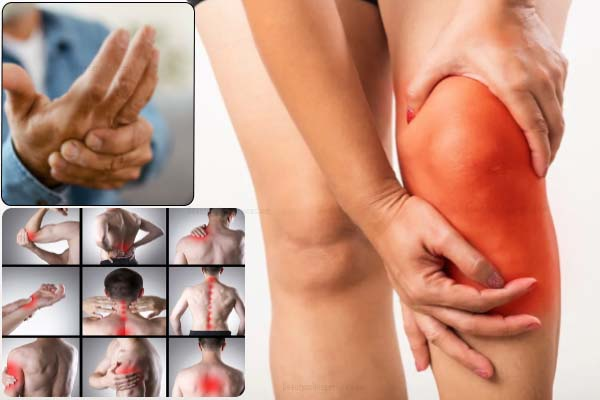
Joint Pain: Persistent pain in the knees, fingers, hips, shoulders, wrists, or ankles is one of the most common symptoms. The pain may become worse during movement or cold weather.
Joint Stiffness: Morning stiffness that lasts for several minutes or hours is common in many rheumatic conditions. Some people struggle to move their joints after resting.
Swelling: Inflammation around affected joints may cause visible swelling, warmth, and tenderness.
Reduced Movement: Rheumatism may limit flexibility and mobility. Simple tasks such as bending, walking, or gripping objects may become difficult.
Muscle Weakness: Some people experience muscle fatigue and weakness around painful joints.
Redness and Warmth: Inflamed joints may appear red and feel warm when touched.
Fatigue: Long-term inflammation may lead to tiredness, weakness, and low energy levels.
Fever: Certain inflammatory rheumatic diseases may cause mild fever and body aches.
Bone Deformities: Advanced rheumatism may change the shape of joints, especially in the hands and fingers.
Several factors can contribute to rheumatism. The exact cause may differ depending on the specific condition.
Aging: As people grow older, joints naturally wear down. Cartilage becomes thinner, which increases friction between bones.
Autoimmune Disorders: Some forms of rheumatism occur when the immune system attacks healthy joints and tissues by mistake. This can lead to chronic inflammation and joint damage.
Genetics: A family history of arthritis or autoimmune diseases may increase the risk of rheumatism.
Infections: Certain bacterial or viral infections may trigger joint inflammation.
Injuries: Old fractures, sports injuries, or repeated stress on joints may increase the risk of developing rheumatic conditions later in life.
Obesity: Excess body weight places additional pressure on weight-bearing joints such as the knees and hips.
Smoking: Smoking may increase inflammation and weaken the immune system, especially in autoimmune rheumatic diseases.
Poor Lifestyle Habits: Lack of exercise, poor diet, excessive alcohol intake, and stress may worsen joint problems.
Types of Rheumatism |
There are many different forms of rheumatism. Each type affects the body differently.
Inflammatory Arthritis: These occur when the immune system mistakenly attacks the joints, causing inflammation, pain, and potentially severe joint damage or deformity.
Degenerative or Mechanical Joint Diseases: These conditions involve the wearing down of the protective cartilage that cushions the ends of the bones.
Soft Tissue Rheumatism: These conditions do not directly affect the joints but rather the muscles, tendons, ligaments, and fibrous tissues around them.
Systemic Autoimmune Diseases: These diseases are systemic, meaning the immune system attacks multiple connective tissues, organs, blood vessels, and membranes.
Crystal-Induced Arthritis
Diagnosis of Rheumatism |
Early diagnosis helps prevent severe joint damage and improves treatment outcomes. Doctors use several methods to identify rheumatic diseases.
Medical History: The doctor asks about symptoms, family history, pain patterns, and previous illnesses or injuries.
Physical Examination: Affected joints are examined for swelling, tenderness, warmth, stiffness, and reduced movement.
Blood Tests: Blood tests help detect inflammation, autoimmune markers, infections, or elevated uric acid levels.
Common tests include:
Imaging Tests: Doctors may request imaging scans to check joint damage and inflammation.
X-rays: Used to detect bone damage, cartilage loss, and joint deformities.
MRI Scans: MRI scans provide detailed images of joints, tendons, and soft tissues.
Ultrasound: Ultrasound may help identify joint inflammation and fluid buildup.
Joint Fluid Analysis: Fluid may be removed from swollen joints and examined for infection, crystals, or inflammation.
Treatment for Rheumatism |
Treatment depends on the type and severity of rheumatism. The main goal is to reduce pain, control inflammation, and improve mobility.
Medications
Doctors may prescribe:
Physiotherapy
Exercise and stretching help strengthen muscles and improve joint flexibility.
Lifestyle Changes
Healthy habits can reduce symptoms and improve quality of life.
Helpful Lifestyle Tips
Surgery: Severe joint damage may require surgery such as joint replacement or repair.
Complications of Rheumatism |
Untreated rheumatism may lead to serious complications.
Possible Complications
Although not all forms can be prevented, healthy habits may lower the risk.
Medical attention is important if you experience:
Early treatment may help prevent permanent joint damage.
Rheumatism includes many conditions that affect the joints, muscles, and connective tissues. Common symptoms include pain, swelling, stiffness, and reduced movement.
Causes may involve aging, autoimmune disorders, infections, injuries, and lifestyle factors.
Different types of rheumatism include osteoarthritis, rheumatoid arthritis, gout, lupus, and fibromyalgia. Diagnosis usually involves physical examination, blood tests, and imaging scans.
Treatment include medications, physiotherapy, exercise, and healthy lifestyle changes.
Early diagnosis and proper medical care can help control symptoms, reduce complications, and improve daily life.
Your email address will not be published. Required fields are marked *
Please login to write review!
Looks like there are no reviews yet.