Beautyonlineservices.com

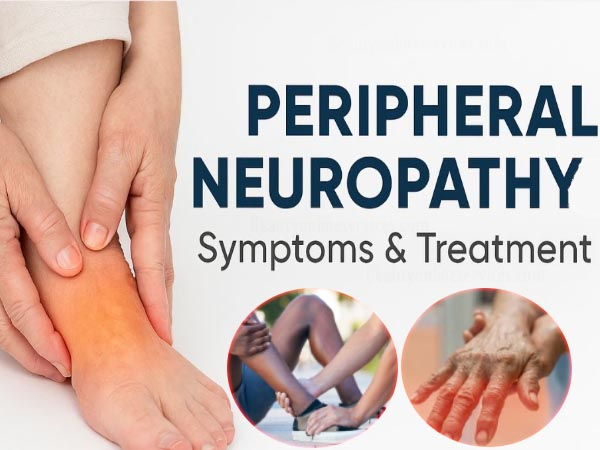

Nerve damage treatment in Ghana with diagnosis and research, nutrient-rich supplements, physiotherapy, and herbal medicines for nerve repair and help correct deficiencies that contribute to nerve problems.
Nerve damage supplements with Omega-3 fats help reduce inflammation, support healthy nerve cell membranes, promote nerve regeneration, support muscle function, nerve signaling, and help reduce burning, tingling, and nerve pain.
Get Started Now!
Categories:
Pain Treatment Supplements & Herbal MedicinesNerve damage occurs when nerves become injured, compressed, inflamed, or diseased.
Nerves play a vital role in carrying signals between the brain, spinal cord, muscles, skin, and internal organs.
When these signals are disrupted, a person may experience pain, numbness, weakness, tingling sensations, or problems with movement and coordination.
Nerve damage can affect people of all ages. It may develop gradually because of an underlying health condition or occur suddenly following an injury.
Understanding the symptoms, causes, and warning signs of nerve damage can help individuals seek medical attention early and improve their chances of recovery.
The symptoms of nerve damage vary depending on the type of nerve involved and the severity of the injury.
Sensory nerve damage often affects feeling and sensation. Common symptoms include:
Motor nerve damage affects muscle control and movement. Symptoms may include:
Damage to autonomic nerves may affect automatic body functions such as digestion, heart rate, blood pressure, and bladder control.
Symptoms can appear gradually over weeks or months, while others may develop suddenly after trauma or illness.
Nerve damage is not a disease itself. Instead, it is often the result of an underlying condition or injury affecting the nervous system.
Several factors can contribute to nerve damage, including:
Diabetes: High blood sugar levels can damage nerves over time. Diabetic neuropathy is one of the most common forms of nerve damage worldwide.
Physical Injuries: Falls, accidents, sports injuries, and surgical complications may stretch, crush, or sever nerves.
Spinal Problems: Conditions such as herniated discs, spinal stenosis, and degenerative spinal disorders can compress nerves and interfere with normal nerve signals.
Vitamin Deficiencies: A lack of vitamin B12 and other essential nutrients can affect nerve health and proper nerve function.
Autoimmune Disorders: Diseases such as lupus, rheumatoid arthritis, and multiple sclerosis can trigger inflammation that damages nerves.
Infections: Certain viral and bacterial infections, including shingles and Lyme disease, can affect nerve tissues.
Toxic Exposure: Alcohol misuse, heavy metals, chemotherapy drugs, and some medications may increase the risk of nerve damage.
Identifying the underlying cause is often the first step toward effective treatment.
Many people struggle to explain nerve pain because it feels different from ordinary aches, muscle soreness, or joint discomfort.
People with nerve damage commonly describe nerve pain as:
For some individuals, even light touch from clothing, bedsheets, or gentle pressure may cause significant discomfort.
Others experience numbness and pain at the same time. Affected areas may feel partially asleep, weak, or disconnected from the rest of the body.
The intensity of nerve pain can vary from mild discomfort to severe pain that interferes with sleep, work, and daily activities.
Accurately describing symptoms can help doctors identify nerve-related conditions more effectively.
When discussing nerve damage with a healthcare professional, it is useful to explain:
Instead of simply saying "it hurts," many patients find it helpful to describe the sensation as burning, stabbing, tingling, electric, numb, or shooting.
Keeping a symptom diary may also help doctors understand patterns and identify possible causes.
Diagnosing nerve damage often involves a combination of medical history, physical examination, and diagnostic testing.
Doctors may perform:
These evaluations help determine the location, severity, and possible cause of nerve dysfunction.
Early diagnosis is important because some forms of nerve damage respond better to treatment when detected promptly.
The ability of nerves to heal depends on the cause and severity of the injury.
In some cases, nerves can recover once the underlying problem is treated. Recovery may occur after:
Peripheral nerves have a limited ability to regenerate, but healing is often slow and may take several months.
Severe injuries may require surgical intervention to repair damaged nerves or relieve pressure on affected areas.
Although recovery varies from person to person, early treatment generally offers the best opportunity for improved nerve function.
Several factors increase the likelihood of developing nerve damage.
Common risk factors include:
People experiencing persistent numbness, tingling, burning sensations, weakness, or unexplained pain should seek medical evaluation promptly.
Nerve damage can affect sensation, movement, coordination, and overall quality of life. Common symptoms include numbness, tingling, burning pain, muscle weakness, and balance problems. Diabetes, injuries, spinal conditions, infections, autoimmune disorders, and nutritional deficiencies remain among the leading causes of nerve damage.
Understanding what nerve damage feels like, recognizing early warning signs, and communicating symptoms clearly to a healthcare professional can support faster diagnosis and more effective treatment. Early intervention remains one of the most important factors in protecting nerve health and preventing further complications.
Your email address will not be published. Required fields are marked *
Please login to write review!
Looks like there are no reviews yet.