Beautyonlineservices.com

Paralysis diagnosis and treatment in Ghana with supplements, physiotherapy, herbal medicines, and recovery support for stroke, nerve damage, spinal cord injury, and muscle weakness.
Our hospital and health centers provide treatment support that helps improve nerve repair, brain and muscle function, blood circulation, cellular metabolism, and mobility.
Omega-3 fatty acids and fish oil help reduce neuroinflammation, support nerve cell repair and regeneration, and promote improved recovery outcomes. Get started today
Categories:
Pain Treatment Supplements & Herbal MedicinesParalysis is a medical condition in which muscle movement is lost in part of the body or the whole body due to nerve damage, spinal cord injury, stroke, infections, or brain disorders.
Paralysis symptoms may include muscle weakness, numbness, loss of sensation, and difficulty speaking or walking.
Early medical attention is usually recommended because permanent disability may be prevented in some cases.
Paralysis is a condition where voluntary muscle movement is partially or completely lost. It is usually caused when signals between the brain, spinal cord, and muscles are interrupted.
The condition may develop suddenly, such as after a stroke, or gradually because of diseases affecting the nerves and muscles.
In many cases, paralysis is classified according to the area of the body affected. Some people may experience facial paralysis, while others may lose movement in the legs, arms, or the entire body.
In Ghana, paralysis cases are frequently linked with uncontrolled high blood pressure, stroke, diabetes complications, road accidents, and delayed hospital treatment.
In our experience in the health and supplement field, many customers usually ask questions only after weakness or numbness has already started.
Early warning signs are often ignored until serious damage has occurred.

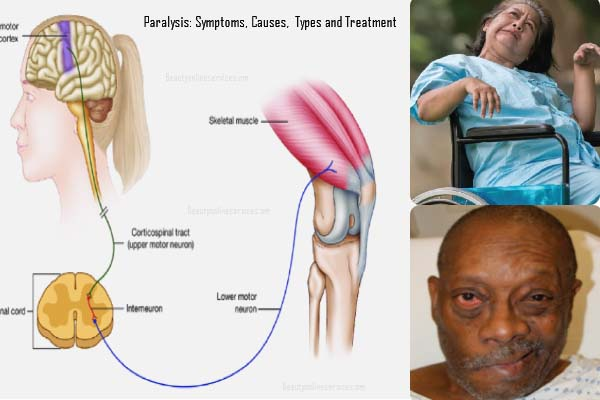
This image explains how paralysis happens in the body and also shows examples of people affected by paralysis.
The image explains that movement is controlled when signals travel from the brain through the spinal cord and nerves to the muscles.
Paralysis symptoms may vary depending on the cause and the part of the nervous system affected.
The symptoms are often noticed suddenly after stroke or injury, but they may also appear slowly in nerve diseases.
|
|
In some patients, partial paralysis may first be noticed as weakness on one side of the body. A hand may become difficult to lift, or the leg may drag while walking.
Paralysis is usually caused by damage to the brain, spinal cord, or nerves. The movement of muscles is controlled through electrical signals sent by the nervous system. When these signals are blocked or interrupted, paralysis may occur.
Different types of paralysis are identified according to the body part affected and the severity of movement loss.
How Paralysis Is Diagnosed
Several medical tests are usually performed to identify the cause of paralysis.
Early diagnosis is important because treatment outcomes are often improved when care is started quickly.
Treatment depends on the cause, severity, and duration of paralysis. In some cases, full recovery may be achieved. In others, symptoms may only be managed.
Recovery is usually supported through regular rehabilitation exercises. Muscles are often strengthened gradually through guided therapy.
Many websites discuss paralysis only from a hospital treatment angle, but daily lifestyle habits are often ignored. In our experience serving customers in Ghana, poor blood pressure control , excessive alcohol intake, delayed hospital visits, and untreated diabetes are common warning factors before paralysis occurs.
Another issue frequently missed is emotional recovery. Many patients struggle with depression, anxiety, and social isolation after paralysis.
Family support and mental encouragement are often just as important as physical rehabilitation.
Some causes of paralysis may be prevented through healthy lifestyle choices.
Prevention Tips
|
|
Paralysis is a serious condition that affects movement, independence, and quality of life. Paralysis symptoms should never be ignored because early treatment may reduce permanent damage.
Stroke, nerve injury, infections, and chronic diseases remain major causes of paralysis worldwide.
Awareness, early diagnosis, proper medical care, rehabilitation, and healthy lifestyle habits are all important in reducing complications and improving recovery outcomes.
Battling Paralysis?
Get paralysis treatment and recovery support today to help improve movement, nerve function, muscle strength, and daily mobility after stroke, nerve damage, or spinal cord injury.
Early attention help reduce complications and support faster rehabilitation outcomes.
Our hospital provides paralysis diagnosis, research, and treatment support for individuals affected by stroke, nerve damage, spinal cord injury, and muscle weakness.
Our supplements, herbal medicines, and therapies work by targeting nerve repair, reducing cellular inflammation, and supporting muscle and cellular metabolism.
These nutrient-rich supplements support the body’s natural healing processes and help manage symptoms during ongoing physical therapy.
The treatment support helps facilitate cellular energy production, supports brain and nerve repair, and enhances neurotransmitter activity.
Omega-3 fatty acids and fish oil supplementation help reduce neuroinflammation and support brain and nerve cell regeneration, promotes calcium absorption to maintain bone density and support overall spinal cord health.
This process helps restore the electrical signaling between the brain and paralyzed muscles while also helping lower compounds like homocysteine that can cause vascular damage.
It also helps neutralize oxidative stress and free radicals, which may help prevent further degeneration of nerve cells and promote neuroplasticity during recovery and rehabilitation. Contact us today
Your email address will not be published. Required fields are marked *
Please login to write review!
Looks like there are no reviews yet.