Beautyonlineservices.com

Plantar fasciitis treatment in Ghana with supplements, physiotherapy creams, stretching exercises, and herbal medicine that help reduce inflammation, support collagen production, relax tight muscles, and improve the body’s natural healing process for better foot mobility and pain relief. Start Treatment Now!
Categories:
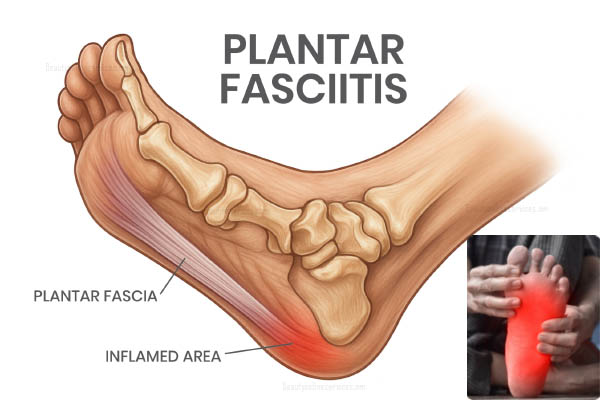
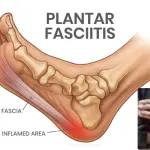
Pain Treatment Supplements & Herbal MedicinesPlantar fasciitis is the inflammation or degeneration of the plantar fascia, which is a thick band of tissue that runs across the bottom of the foot and connects the heel bone to the toes.
Plantar fasciitis is one of the most common causes of heel pain. The plantar fascia supports the arch of the foot and helps absorb shock during walking, running, and standing.
Plantar fasciitis often develops gradually and can cause sharp heel pain, especially during the first steps in the morning or after long periods of rest.
The most common symptom of plantar fasciitis is sharp pain under the heel. The pain is usually worse after waking up, standing after sitting for a long time, or after physical activity.
Some people also experience stiffness, swelling, tenderness, or a burning sensation in the bottom of the foot.
Plantar fasciitis symptoms may affect one foot or both feet. However, the condition usually develops in one foot first. The pain may reduce during movement but can return after long periods of standing or walking.
Plantar fasciitis develops when the plantar fascia becomes irritated or overstretched. Repeated stress and pressure on the feet can cause tiny tears in the tissue, which leads to inflammation and heel pain.
Common causes of plantar fasciitis include:
People between the ages of 40 and 60 are more likely to develop plantar fasciitis. Athletes, teachers, factory workers, nurses, and security personnel also face a higher risk because they spend many hours on their feet.
Plantar fasciitis diagnosis usually begins with a physical examination. A doctor or physiotherapist checks the heel, foot arch, ankle movement, and pain location. The diagnosis is often based on symptoms and medical history.
In some cases, imaging tests may be requested to rule out other conditions such as fractures, arthritis, or nerve problems. These tests may include:
Early plantar fasciitis diagnosis is important because delayed treatment may lead to chronic heel pain and difficulty walking.
Physiotherapy is one of the most effective treatment methods for plantar fasciitis. Physiotherapy helps reduce pain, improve flexibility, strengthen the foot muscles, and restore normal movement.
A physiotherapist may use several treatment methods, including:
|
|
Physiotherapy for plantar fasciitis also focuses on correcting foot mechanics and reducing pressure on the plantar fascia. Regular treatment sessions can improve recovery and help prevent future injuries.
Exercises help strengthen the foot muscles and improve flexibility. Gentle exercises can reduce heel pain and support faster healing.
Sit comfortably and pull the toes backward gently until a stretch is felt under the foot. Hold for 20 to 30 seconds and repeat several times daily.
Place a towel on the floor and use the toes to pull the towel inward. This exercise strengthens the foot muscles and improves arch support.
Stand near a wall or chair for support. Slowly raise the heels and stand on the toes, then lower the heels gently. Repeat 10 to 15 times.
Roll the foot over a frozen water bottle or tennis ball for several minutes. This exercise helps reduce inflammation and massage the plantar fascia.
Stretching improves flexibility and reduces tension in the plantar fascia and calf muscles.
Stand facing a wall with one leg behind the other. Keep the back leg straight and press the heel into the floor while leaning forward gently.
Cross one foot over the opposite knee and pull the toes toward the shin until a stretch is felt along the arch of the foot.
Place both hands against a wall and bend the front knee while keeping the back leg straight. Hold the stretch for 30 seconds.
Daily stretches for plantar fasciitis can improve mobility and reduce morning heel pain.

Several home care methods can help manage plantar fasciitis symptoms and reduce foot stress.
Helpful tips include:
Severe plantar fasciitis cases may require additional treatment such as corticosteroid injections, shockwave therapy, or surgery if conservative treatment fails.
Plantar fasciitis is a common foot condition that causes heel pain and walking discomfort.
Early diagnosis, physiotherapy, exercises, and stretches can help reduce pain and improve recovery.
Proper footwear, daily stretching, and healthy foot care habits also play an important role in preventing plantar fasciitis from returning.
If heel pain continues for several weeks, consult a qualified doctor or physiotherapist for proper plantar fasciitis diagnosis and treatment.
Plantar fasciitis and severe heel pain treatment medication |
Battling plantar fasciitis and severe heel pain?
Worry no more.
We provide plantar fasciitis treatment with supplements, physiotherapy creams, stretching exercises, and herbal medicine that help reduce inflammation, relieve foot pain, support tissue repair, and improve walking comfort naturally.
These supplements and herbal medicines primarily help manage plantar fasciitis symptoms while the body heals through physiotherapy, stretching exercises, and proper foot support.
Our plantar fasciitis treatment at home also promote collagen production to support the repair of tissue micro-tears and relax tight muscles that contribute to heel pain.
This treatment include Arctic Sea supplements with EPA and DHA, which help block inflammatory pathways to reduce swelling, stiffness, and pain throughout the body.
Overcome plantar fasciitis with these nutrient-rich medication that support collagen synthesis, which is important for repairing the plantar fascia and damaged connective tissues.
The supplements also help regulate muscle and nerve function, which reduce calf and foot muscle tightness that often increases pressure on the heel bone.
Combined with physiotherapy and stretching, these nutrient-rich remedies help support the body’s natural healing process and improve foot mobility.
Your email address will not be published. Required fields are marked *
Please login to write review!
Looks like there are no reviews yet.