
 James Nartey
Table of contents [Show]
Rheumatic Diseases: Overview, Symptoms, Types, and When to See a Rheumatologist for Therapeutic Pain Management
Rheumatic diseases are a diverse group of medical conditions that primarily affect the joints, muscles, bones, and connective tissues. They are typically characterized by chronic or progressive inflammation, pain, stiffness, and swelling.
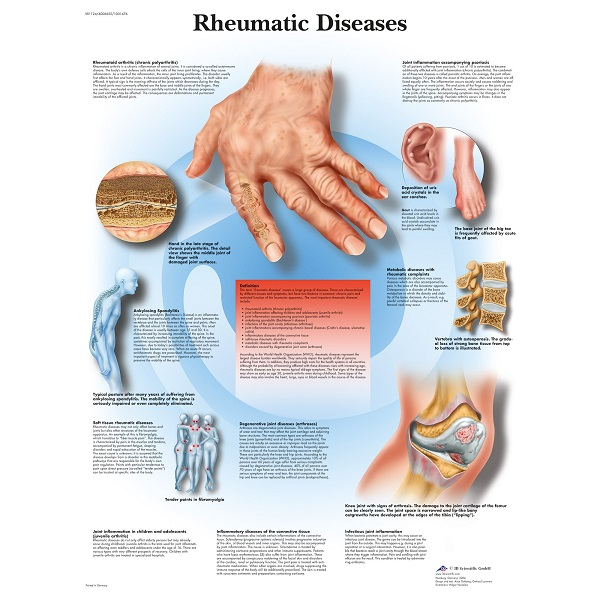
While many are autoimmune in nature, where the immune system mistakenly attacks the body’s own tissues, others stem from degenerative changes, metabolic imbalances, or infections.
These conditions can affect individuals of all ages and may involve multiple organ systems beyond the musculoskeletal system, including the skin, eyes, lungs, kidneys, heart, and nervous system.
Symptoms of Rheumatic Diseases
- Joint pain, swelling, and tenderness
- Morning stiffness or after periods of inactivity
- Fatigue, fever, and general malaise
- Limited range of motion
- Systemic symptoms affecting internal organs

Common Rheumatic Diseases |
- Rheumatoid Arthritis (RA): A chronic autoimmune disease causing joint inflammation, stiffness, swelling, and potential deformity; commonly affects hands, wrists, and knees, and may involve organs.
- Osteoarthritis (OA): A degenerative joint disorder caused by cartilage wear and tear, leading to pain and reduced mobility, especially with age or injury.
- Systemic Lupus Erythematosus (SLE): A systemic autoimmune disease that inflames the skin, joints, kidneys, lungs, and heart.
- Psoriatic Arthritis: An inflammatory arthritis linked to psoriasis, affecting joints and entheses (where tendons and ligaments attach to bone).
- Ankylosing Spondylitis: A chronic inflammatory disease that targets the spine, potentially causing vertebral fusion and reduced flexibility.
- Sjögren’s Syndrome: An autoimmune condition that damages moisture-producing glands, leading to dry eyes, dry mouth, and sometimes sexual health complications.
- Gout: A metabolic disorder caused by uric acid crystal buildup in joints, resulting in sudden, intense pain, swelling, and redness.
- Scleroderma: A connective tissue disease marked by abnormal collagen growth, leading to skin thickening and possible organ dysfunction.
- Infectious Arthritis: Joint inflammation triggered by bacterial, viral, or fungal infections.
- Juvenile Idiopathic Arthritis: A group of autoimmune and inflammatory conditions affecting children, often requiring specialized care.

Diagnosis and Management of Rheumatic Diseases |
Diagnosis typically involves:
- Clinical evaluation of symptoms
- Blood tests (e.g., rheumatoid factor, antinuclear antibodies)
- Imaging studies (X-rays, MRI, ultrasound)
Management strategies of Rheumatic Diseases include:
- Medications: NSAIDs, corticosteroids, DMARDs, biologics
- Physical therapy and occupational therapy
- Lifestyle modifications: regular exercise, balanced diet, weight control
- Pain management techniques and stress reduction
Rheumatic diseases are typically chronic, characterized by recurring flare-ups and periods of remission.
Timely diagnosis and intervention by a rheumatologist can slow disease progression and improve overall quality of life.
Because these conditions often affect multiple organ systems, a targeted, multidisciplinary approach involving specialized healthcare providers is essential for therapeutic management.
Are you battling a rheumatic condition that requires a Ghanaian rheumatologist? Beautyonlineservices.com is partnered with certified doctors and specialized facilities focused on joint problems, including rheumatic diseases. Book an appointment with us for prompt rheumatologist attention to your issue.
Rheumatologist’s role blends diagnostic precision, individualized treatment, and long-term disease management. Their goal is to control inflammation, prevent irreversible damage, and help patients maintain optimal health, mobility, and quality of life.

What Does Beautyonlineservices.com Rheumatologist Do?
Beautyonlineservices.com rheumatologist works with patients through a structured process that begins with a thorough review of the patient's medical history and a detailed discussion about their symptoms, including onset, duration, and contributing factors. This helps identify possible rheumatic or autoimmune conditions.
The rheumatologists then conducts a comprehensive physical examination focusing on joints, muscles, and skin to check for signs of inflammation, swelling, tenderness, stiffness, and joint abnormalities.
- Diagnostic Testing
To confirm or rule out specific conditions, the rheumatologist may order blood tests, such as rheumatoid factor (RF), anti-CCP, ANA, ESR, CRP, and other autoimmune markers, as well as imaging studies like X-rays, ultrasound, or MRI to assess joint and soft tissue damage. In some cases, joint fluid analysis or biopsy may be performed if infection or crystal disease is suspected.
- Diagnosis and Explanation
After reviewing the clinical findings and test results, the rheumatologist provides a clear diagnosis, explaining the nature of the disease, its potential progression, and available treatment options. Early intervention is emphasized to prevent long-term joint or organ damage and improve quality of life.

- Personalized Treatment Plan
Treatment is tailored to the individual’s condition and may include a broad approach of medications, such herbal medicines, supplements, topical creams in heat form, biologics, or immunosuppressants, alongside physical therapy to preserve joint function and mobility.
Lifestyle recommendations often include a balanced diet, regular exercise, stress management, and avoiding known triggers. Pain management strategies may involve medications, joint supplements, or supportive therapies.
- Ongoing Monitoring
Because rheumatic diseases are often chronic and may fluctuate over time, regular follow-up visits are essential. The rheumatologist monitors disease activity, adjusts medications, tracks lab markers, and manages side effects to prevent complications and maintain long-term health.
- Collaborative Care
Rheumatologists frequently coordinate with other specialists, such as nephrologists, dermatologists, pulmonologists, and physical therapists, for a targeted, multidisciplinary approach to therapeutic care, especially when multiple organ systems are involved.

Leave a comment
Your email address will not be published. Required fields are marked *